
What is Myofascial Release?
Mar 17, 2026 | Kara Bristol
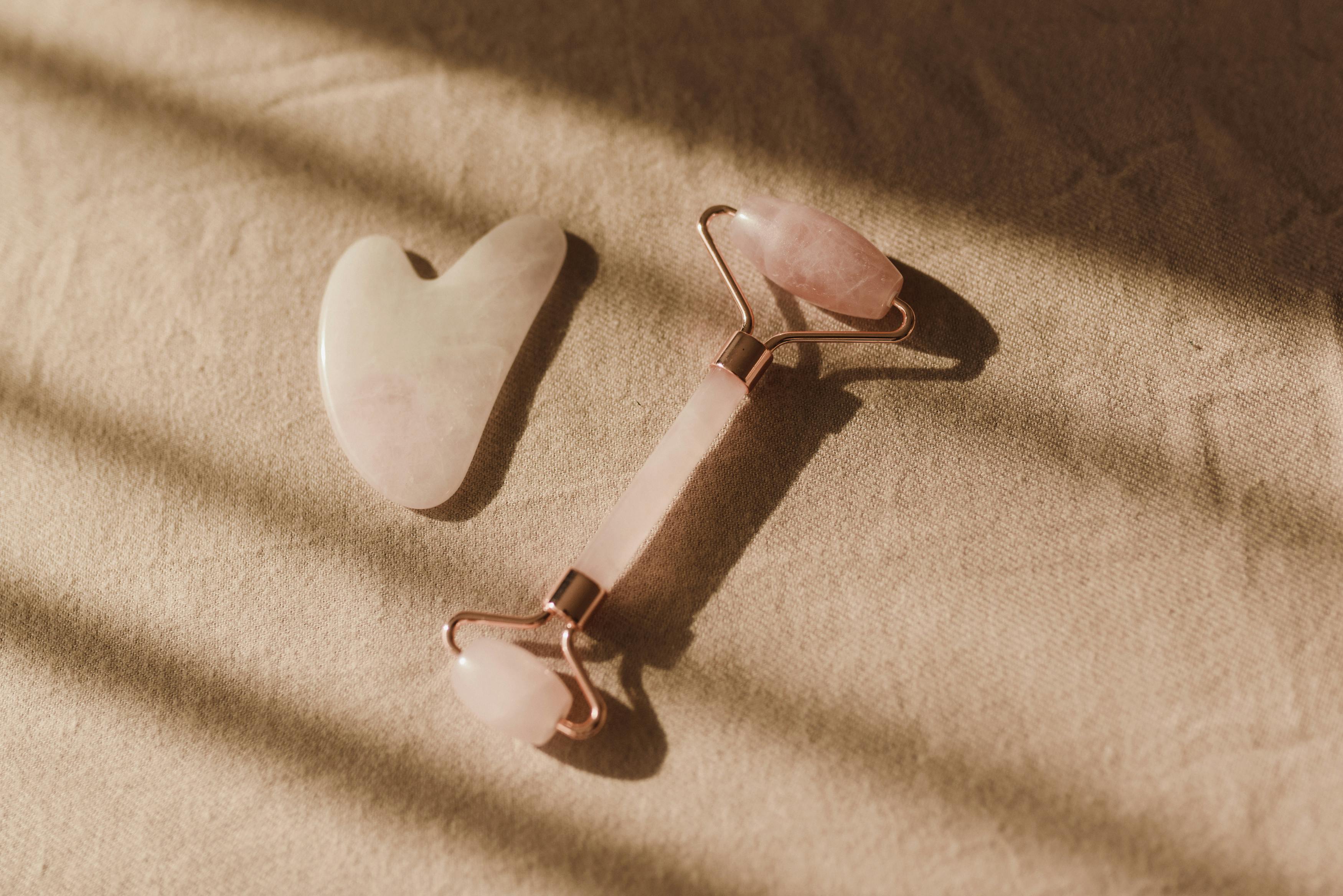
I'm sure everyone has heard of massage, because who doesn't love to relax as someone else works out all of the tight and tender spots in their muscles? But have you heard of gua sha? Some people may have heard of it from social media to prevent the effects of aging, but there is actually another application. What do these have in common? They all help with myofascial release.
What term do I like to use for gua sha? Scraping.
I know - it sounds a little barbaric. However, it is simple, straightforward, and if you've ever experienced it before, it just makes sense.
Fascia vs. Myofascia
What is fascia? Fascia is a soft, connective tissue in the body that surrounds muscles and other structures for separation. It helps to compartmentalize tissues and allows them to glide smoothly against one another.
So, what is myofascia? It is simply the connection of this soft tissue (fascia) and the muscle (the prefix myo- relates to muscle).
Why Does the Myofascia Become Problematic?
Often times, this connection can be affected through repetitive overuse or traumatic injury. When a muscle becomes injured, it typically becomes inflamed. Inflammation is the body's natural response to injury by stimulating blood flow to the affected area to bring oxygen and nutrients for healing.
Sometimes, if there is too much inflammation and the muscle can't recover, the small space between the muscle, fascia, and skin decreases. This limits blood flow, and lymphatic drainage of "waste" products decreases. The resulting "swelling" then can put pressure on nerve endings, which are connected to pain receptors. Externally on the body, you may call this a muscle knot.
How Does Myofascial Release Work?
Myofascial release is just the technique using any of the aforementioned tools to help break up this tightness from the swelling and inflammation of the injured tissue. It helps to re-establish blood flow and promote drainage of the damaged and wasteful products in the area.
Regardless of the tool used, the technique and process are similar. A lubricant is applied onto the skin prior to treatment to decrease friction, which is then followed by controlled rubbing or "scraping" of the area with hands, a gua sha stone, or a Graston tool.
What to Expect
Often, the first treatment is the most uncomfortable. This is because the nerves and muscles are already inflamed and firing. Consistency is key, however. Over time, your muscles loosen up, sensitivity decreases, and the discomfort becomes less intense.
After having the technique done, you may experience some symptoms for up to 72 hours. This is normal. It is like creating a bruise. In fact, you may also have some red dots that look like a rash. Again, this is also common. This is called petechiae. I often advise my patients to ice afterwards as well (please see my heat vs ice blog).
Long Lasting Relief
I strongly believe most injuries are limited by soft tissue restrictions (please see my scar tissue blog). In my experience, the scraping techniques can be more effective than using other tools such as a massage gun, foam roller, muscle roller, and trigger point release. I find that scraping allows for deeper access to muscle tissue and it helps to re-educate and reorganize the muscle fibers. This can help to improve strength and function (also included in the scar tissue blog). That said, you don't need the specific tool that your therapist may use. Heck, I've used a spoon to treat my mother before. The outcome is the same: pain relief and typically a big red mark.

© 2025 Resilience Physical Therapy of WNY, PLLC